<link rel="stylesheet" href="https://cdn.jsdelivr.net/npm/instantsearch.css@8.0.0/themes/satellite-min.css"/>

Laser hair removal has transformed the way millions of people approach unwanted hair. But it doesn't work the same way for everyone. Hair color plays a bigger role in the process than most people realize, and grey hair sits at the center of one of the most frequently asked questions in the industry. Here's the honest answer, and what it means for you.

Does Laser Hair Removal Work On Grey Hair?

No, laser hair removal does not work on grey hair. The treatment targets melanin, the pigment inside the hair follicle, and grey and white hairs have little to none of it. Without sufficient pigment to absorb light energy, the follicle simply can't respond the way darker hair does.

How Hair Color Affects Results

Hair color is one of the most significant factors in determining how well laser hair removal will work for any given person. Dark, coarse hair with greater hair thickness responds best. The higher concentration of melanin in those hair follicles gives the laser a clear, efficient target. Results tend to be stronger and more consistent for candidates in this category than any other.

Light blonde, red, and grey hair all sit on the more resistant end of the spectrum, the hair shaft in each case contains less melanin, making it harder for the laser to find an effective target. Contrast between skin tone and hair color also plays a role. The greater the contrast, the easier it is for the laser to isolate the follicle from the surrounding skin. It's a combination of variables, and hair color is the one that carries the most weight.

Common Misconceptions

A stronger laser doesn't change the equation when it comes to grey hair. The issue isn't intensity; it's the absence of melanin, which no amount of power can substitute for. Turning up the energy without a pigment target doesn't improve results. It just increases the risk of side effects like skin irritation without any added benefit.

More treatment sessions won't change that outcome either. Repeat treatments work by catching follicles in different stages of their growth cycle, but if the follicle lacks the pigment needed to absorb laser energy, timing doesn't matter. And while laser technology continues to advance, the fundamental science hasn't changed: pigment is still what the treatment depends on, and grey hair simply doesn't have enough of it to work with.

Read Next: How Long Does Laser Hair Removal Take?

What About Mixed Hair

Mixed hair presents a nuanced situation. For areas where dark and grey hairs coexist, like the bikini line or face, laser hair removal can still make meaningful progress, but only on the follicles with enough pigment to respond. The darker hairs in the treatment area can be reduced effectively, while the grey ones will remain largely untreated.

That distinction is worth understanding before starting a treatment plan in a mixed area. Results may appear uneven if expectations aren't set correctly going in. Not because the treatment isn't working, but because it's working selectively. A clear-eyed conversation about what laser can and can't address in that specific area is what keeps the experience from feeling like a disappointment.

Alternative Options For Grey Hair

Electrolysis is the most commonly recommended alternative for grey hair removal. Unlike laser, it doesn't rely on pigment; it uses a small electrical current to target each follicle individually, making it effective regardless of hair color. 

Traditional hair removal methods like waxing and tweezing remain practical options for managing grey hair in the short term. They don't address the follicle permanently, but they're reliable tools for keeping unwanted hair in check.

For those dealing with a mix of dark and grey hair, a combined approach (laser for the pigmented hairs and an alternative method for the grey ones) can be an effective way to address the full picture without compromising results in either direction.

Setting Realistic Expectations

Laser hair removal delivers some of the best long-term results available in hair reduction for the right candidate. Dark, pigmented hair responds exceptionally well, and the results for those candidates speak for themselves. That effectiveness, however, is tied directly to pigment, and a personalized consultation is the best place to understand where that boundary sits before starting treatment.

Not all hair types are treatable with laser, and grey hair is the clearest example of that limitation. Acknowledging it honestly is part of what makes the consultation process valuable. It's where candidacy gets assessed, expectations get aligned, and the right path forward gets identified. For some, that path is laser hair removal. For others, it's a different approach entirely. Either way, knowing before you start is always better than finding out after.

Quote mark

Hair color is one of the most significant factors in determining how well laser hair removal will work for any given person.”

Why Milan Laser Is The Best Option

Milan Laser Hair Removal sets clear, honest expectations about what laser can and cannot treat, including the limitation with grey hair. Their medically guided approach ensures you receive accurate guidance based on your hair color, skin type, and goals, helping you avoid wasted time or ineffective treatments.

With more than 400 clinics in 38 states, Milan Laser is the country’s largest provider of laser hair removal. We also offer something nobody else in the industry does: our exclusive Unlimited Package™. You pay one price for a body area, and you’re covered for life. No hidden costs or touch-up fees. Choosing Milan for your hair-free needs will help you say goodbye to unwanted hair for good.
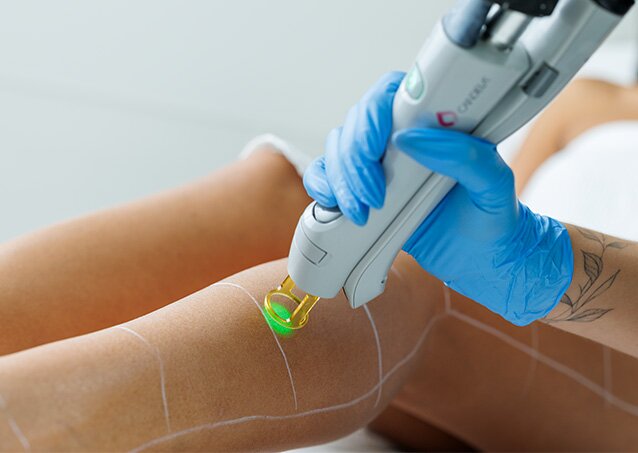

A woman receives a laser hair removal treatment on her legs from a Milan Laser Provider in an image for a blog titled Does Laser Hair Removal Work on Grey Hair?

Start Your Journey Today

Discover the game-changing benefits of laser hair removal for yourself with a free consultation. This conversation is an opportunity to discuss goals, concerns, and expectations to determine a personalized treatment plan. Visit MilanLaser.com or any of our clinics across the country and join the hair-free movement today!

Milan Laser consultation session

Frequently Asked Questions

Laser hair removal targets melanin, the pigment inside the hair follicle, and grey hair has little to none of it. Without sufficient pigment to absorb the laser's energy, the follicle can't respond to treatment. It's a limitation of science, not technology.

Even with advances in laser technology, the treatment still depends on melanin to work, and that hasn't changed. Grey and white hair simply lack the pigment needed for the laser to target the follicle effectively. No current laser technology has overcome that fundamental limitation.

Additional sessions won't change the outcome for grey hair. The issue isn't frequency; it's the absence of melanin, which more treatments can't compensate for. If grey hair is a concern, alternatives like electrolysis are worth exploring.

Electrolysis is the most widely recommended alternative for grey hair because it targets follicles individually without relying on pigment. It's a slower process than laser but effective regardless of hair color. Manual methods like waxing and tweezing are also options for shorter-term management.

Yes, laser hair removal can effectively reduce darker hairs in an area where dark and grey hairs coexist. The grey hairs will remain untreated since they lack the pigment needed to respond. Setting clear expectations about that distinction before starting treatment is the best way to avoid surprises in the results.

Current laser technology depends on melanin to work, and no proven solution exists yet for treating grey hair with laser. While technology continues to evolve, there's no reliable indication of when or if that will change. For now, alternatives like electrolysis remain the most effective option for grey hair removal.

Book Your Free Consult

Select a location from the list

Find Milan Near You?
OR