<link rel="stylesheet" href="https://cdn.jsdelivr.net/npm/instantsearch.css@8.0.0/themes/satellite-min.css"/>

First session’s done. Now what? It's normal to walk out of your first laser hair removal appointment with a few questions. What you're feeling is expected, what you're about to see is part of the process, and what comes next is worth understanding. Here's a straightforward look at what happens after laser hair removal, from the moment you leave the clinic to the weeks that follow.

Immediately After Treatment

Right after your session, some redness and mild swelling around the treatment area are completely normal. These are common responses that signal the light energy is doing its job, not a cause for concern.

Your skin may also feel warm, similar to the sensation after mild sun exposure. For most people, these effects begin to subside within a few hours and are largely resolved within a day or two. Advanced equipment like the Candela GentleMax Pro is designed to minimize these effects while delivering consistent, effective results.

Whether your provider uses an Alexandrite laser or Nd:YAG laser, the post-treatment experience is similar: mild, temporary, and manageable.

The First 24 To 48 Hours

In the first day or two after treatment, pay attention to how your skin feels and let that guide your choices. Some people feel comfortable jumping right back into their normal routine, including workouts and hot showers. Others prefer to take it easy until any sensitivity settles down. There's no universal rule here; your skin will tell you what it needs.

Gentle skincare like aloe vera gel and sunscreen are worth prioritizing during this window. Treated skin can be more sensitive to UV rays, so avoiding tanning beds, applying SPF, and general sun protections are smart additions to your routine.

One thing to avoid: waxing or plucking the treated area. Both methods disturb the hair follicles and can interfere with your results.

Shedding Phase: What It Looks Like

In the one to three weeks following your session, treated hair shafts will begin to shed from the hair follicle. This is a normal and expected part of the process, a sign that the treatment worked.

It's common for shedding to look like new hair growth, which can be misleading. It isn't. Those hairs are working their way out, not growing back in.

Once several days have passed, gentle exfoliation may help move the shedding process along. Check with your provider before adding this step to make sure your skin is ready for it.

Between Sessions

As treated hairs shed, you may notice new hairs appearing in the treatment area. These aren't a sign that the treatment failed. They're previously dormant follicles cycling into anagen phase, making them the target of your next session.

Every hair growth cycle presents a new opportunity, and laser treatments can only target hair follicles during their active phase. This is why multiple sessions spaced over time are necessary to achieve meaningful, long-term reduction.

Staying consistent with your appointment schedule matters. Skipping or delaying sessions allows hair follicles to cycle through untreated, which can slow your progress and extend your overall timeline.

Read Next: Laser Hair Removal Aftercare Tips

Long-Term Changes

With each completed session, the pattern becomes clear. Hair grows back thinner and slower than before, and the overall density of the treatment area decreases over time. For most people, the cumulative result is a meaningful reduction in the time and effort spent on hair removal.

Fewer ingrown hairs and less skin irritation from shaving are common long-term benefits, particularly welcome for anyone who has dealt with chronic razor bumps or sensitive skin.

Hormonal areas like the face or bikini line may benefit from annual touch-ups as hormonal changes can stimulate new growth over time. And one limitation worth keeping in mind: white and gray hair lack the pigment laser needs to work effectively, regardless of how many sessions are completed.

When To Contact Your Provider

Most side effects after laser hair removal are temporary and resolve on their own. Redness, mild swelling, and sensitivity are all common responses that typically fade within a day or two.

Persistent redness, blistering, or unusual discomfort that doesn't improve are worth reporting to your provider. Catching and addressing concerns early is always the right call, and a good provider with properly maintained laser equipment will want to hear from you.

Open communication with your provider throughout your treatment series isn't just encouraged, it's an important part of getting the best results.

Read Next: How to Care for Skin After Laser Hair Removal

Quote mark

Skipping or delaying sessions allows hair follicles to cycle through untreated, which can slow your progress and extend your overall timeline.”

Why Milan Laser Is The Best Option

What happens after treatment depends heavily on how the session was performed. Milan’s treatments are conducted under medical oversight by trained providers who customize settings based on your skin tone, hair thickness, and treatment area. This helps reduce unnecessary irritation while maximizing long term hair reduction. Milan uses modern laser technology designed to treat a wide range of skin tones safely. Cooling systems and precise calibration support comfort and skin protection during and after each session.

With more than 400 clinics in 38 states, Milan Laser is the country’s largest provider of laser hair removal. We also offer something nobody else in the industry does: our exclusive Unlimited Package™. You pay one price for a body area, and you’re covered for life. No hidden costs or touch-up fees. Choosing Milan for your hair-free needs will help you say goodbye to unwanted hair for good.
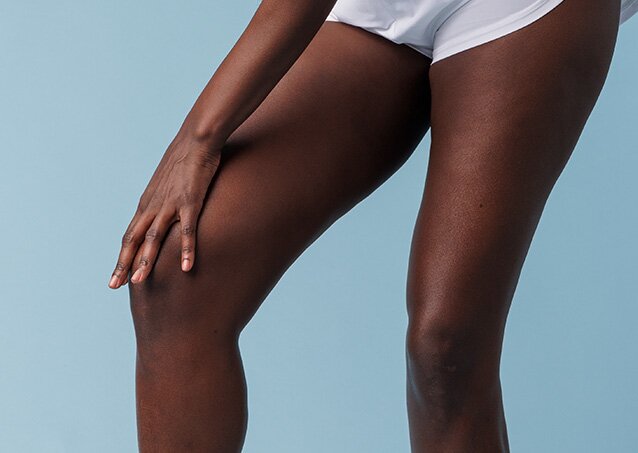
A woman wearing white shorts feels the smoothness of her leg, free of unwanted hair following laser hair removal, for a blog titled What Happens After a Laser Hair Removal Treatment?

Start Your Journey Today

Discover the game-changing benefits of laser hair removal for yourself with a free consultation. This conversation is an opportunity to discuss goals, concerns, and expectations to determine a personalized treatment plan. Visit MilanLaser.com or any of our clinics across the country and join the hair-free movement today!

Milan Laser consultation session

Frequently Asked Questions

Redness after laser hair removal is normal and typically fades within a few hours to a day. Most people have no trouble returning to their regular routine right after their appointment. If redness persists beyond a couple of days, it's worth checking in with your provider.

Yes, and it's actually a good sign. The hair you see in the weeks following a session is shedding from the follicle, not growing back in. It's a normal part of the process and an indication that the treatment worked as intended.

Most people begin noticing changes after the first few sessions. There’s less regrowth, slower growth, or hair that comes in finer than before. The most significant reduction typically builds over the course of a full treatment series, with results continuing to improve with each completed session.

Yes, shaving is fine between sessions and is actually the recommended method for managing any visible hair during your treatment series. Avoid waxing or plucking, as these methods disturb the follicle and can interfere with your results.

The main things to avoid are waxing or plucking the treated area, excessive sun exposure, and any skincare products that could irritate sensitive skin. Beyond that, let your skin be your guide. If something feels uncomfortable, give it a day or two before returning to your normal routine.

Redness, mild swelling, and temporary warmth are all normal responses that typically resolve within a day or two. Blistering, persistent redness, or unusual discomfort that doesn't improve are signs worth reporting to your provider. When in doubt, reach out. Your provider is there to help.

Book Your Free Consult

Select a location from the list

Find Milan Near You?
OR