<link rel="stylesheet" href="https://cdn.jsdelivr.net/npm/instantsearch.css@8.0.0/themes/satellite-min.css"/>

Laser hair removal results don't happen overnight, and that's by design. The most effective outcomes come from a series of treatments spaced at the right intervals, not a single session. Timing isn't just a scheduling detail. It directly impacts how well each treatment works and how much reduction you achieve over the full course of your plan.

How Hair Growth Cycles Affect Scheduling

A laser beam is most effective during the anagen phase, the active stage of hair growth when the hair is attached to the follicle and contains the most pigment. The challenge is that not all hair follicles are in this phase at the same time.

At any given appointment, only a percentage of your hair is in the anagen phase and ready to respond to treatment. The rest are in transitional or resting stages where laser treatments have little effect.

Spacing sessions out allows previously dormant hair follicles the time to cycle into their active growth phase, making them targetable at your next appointment. This is why consistent scheduling isn't just convenient, it's essential to the process.

Technologies like the Alexandrite laser and Nd:YAG laser give providers the tools to treat a wide range of skin tones and hair types effectively.

Typical Treatment Intervals By Area

Treatment frequency isn't one size fits all. Different body areas cycle through hair growth phases at different rates, which is why scheduling varies by location.

Facial areas tend to cycle faster than the rest of the body, which often means sessions are scheduled closer together. The chin, upper lip, and surrounding areas typically require more frequent attention to stay ahead of the growth cycle.

Body areas like the legs and back move through growth cycles more slowly, so sessions are generally spaced farther apart. Exact timing varies from person to person, and a personalized treatment plan accounts for the area being treated, hair thickness, and how your hair responds over time.

Read Next: Permanent Facial Hair Removal

What Happens If You Go Too Soon Or Wait Too Long?

Timing matters more than most people realize. Going in too soon or before enough hair follicles have cycled into their active growth phase means fewer hairs are ready to respond. The session still happens, but it may not deliver the same level of reduction as a properly timed appointment.

Waiting too long between sessions creates a different problem. Follicles that cycled into their active phase during the gap go untreated, which can slow overall progress and extend your total treatment timeline.

Consistency is what drives long-lasting results. Staying on schedule gives your provider the best opportunity to target follicles at the right moment, session after session.

How Many Sessions Are Usually Needed?

Most people require a series of treatments to achieve meaningful long-term reduction. Because hair grows in cycles and only a percentage of follicles are treatable at any given session, multiple appointments are necessary to work through the full treatment area over time.

Hormonal areas like the face, chin, and bikini area often require additional sessions, and may benefit from occasional maintenance even after completing a full series. Hormones can continue to activate new follicles, making these areas less predictable than others.

Hair color is a factor worth addressing early. White and gray hair lack the pigment laser needs to work effectively, which means follicles producing that type of hair may not respond regardless of how many sessions are completed. A consultation with a provider using current laser technology is the best way to get an honest assessment based on your specific hair and skin type.

Read Next: How Often Can You Get Laser Hair Removal?

After You Complete Your Initial Series

Completing your initial treatment series is a significant milestone. And for many people, the results speak for themselves. Hair reduction becomes clearly noticeable. Hair grows back noticeably finer and lighter than before, and the time spent on daily or weekly hair removal decreases dramatically.

Some people may find that occasional maintenance treatments are needed to address hair regrowth down the road, particularly in hormonal areas. This is normal and doesn't diminish the progress made during the initial series.

Hormonal changes from pregnancy, menopause, or certain medical conditions can influence hair growth over time, activating follicles that weren't part of the original treatment. Staying in touch with your provider and maintaining a consistent skin care routine keeps your results looking their best.

Quote mark

Different body areas cycle through hair growth phases at different rates, which is why scheduling varies by location.”

Why Milan Laser Is The Best Option

Proper frequency is not guesswork. Milan’s treatments are performed under medical oversight by trained providers who create structured treatment schedules based on how hair growth cycles differ by body area.

With more than 400 clinics in 38 states, Milan Laser is the country’s largest provider of laser hair removal. We also offer something nobody else in the industry does: our exclusive Unlimited Package™. You pay one price for a body area, and you’re covered for life. No hidden costs or touch-up fees. Choosing Milan for your hair-free needs will help you say goodbye to unwanted hair for good.
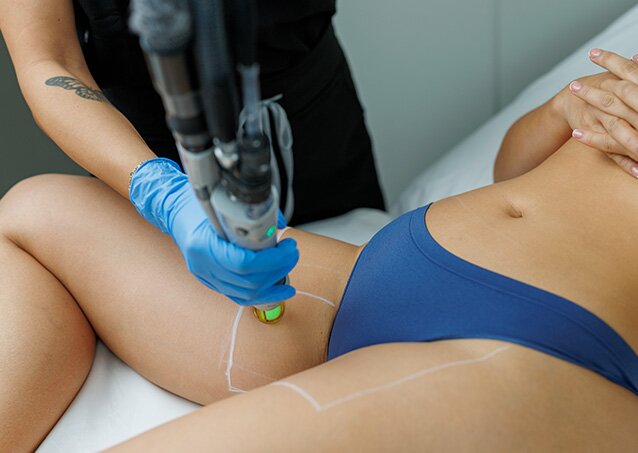

A woman wearing blue underwear receives laser hair removal treatment from a Milan Provider near her bikini region for a blog titled Laser Hair Removal Frequency.

Start Your Journey Today

Discover the game-changing benefits of laser hair removal for yourself with a free consultation. This conversation is an opportunity to discuss goals, concerns, and expectations to determine a personalized treatment plan. Visit MilanLaser.com or any of our clinics across the country and join the hair-free movement today!

Milan Laser consultation session

Frequently Asked Questions

The number of weeks between sessions varies depending on the treatment area and individual hair growth cycles. Facial areas typically require more frequent appointments, while body areas like the legs or back are generally spaced farther apart. Your provider will build a schedule tailored to your specific needs during your consultation.

Scheduling sessions too close together can reduce effectiveness, as fewer follicles will have had time to cycle into their active growth phase. Your provider determines the ideal spacing based on your treatment area and hair growth patterns. Following that schedule gives you the best chance at meaningful, long-term reduction.

Missing a session means follicles that cycled into their active growth phase during that window go untreated, which can slow your overall progress and extend your treatment timeline. Getting back on schedule as soon as possible is the best way to minimize the impact of a missed appointment.

The total number of sessions varies based on your hair cycles in the treatment area, and how your body responds to treatment. Hormonal areas may require additional sessions or maintenance over time. A consultation is the best way to get a realistic estimate tailored to your individual needs.

Possibly. Facial areas tend to cycle through hair growth phases faster than other parts of the body, which often means sessions are scheduled closer together. Hormonal influences in areas like the chin and upper lip can also make these areas less predictable, sometimes requiring additional sessions or maintenance over time.

Not everyone does, but maintenance treatments are more common in hormonal areas like the face, chin, and bikini line. Hormonal changes over time can activate new follicles even after a successful series. Occasional touch-ups are a normal part of the long-term process for many people and help keep results looking their best.

Book Your Free Consult

Select a location from the list

Find Milan Near You?
OR