<link rel="stylesheet" href="https://cdn.jsdelivr.net/npm/instantsearch.css@8.0.0/themes/satellite-min.css"/>

Hormones have a way of making hair removal feel like a moving target. Just when you think you've gotten ahead of it, new growth appears. Hormonal changes from puberty, pregnancy, menopause, or certain medical conditions can all influence how and where hair grows. Laser hair removal won't change your hormones, but it is one of the most effective tools available for managing the hair they leave behind.

How Hormones Influence Hair Growth

Hormones play a direct role in how hair grows and how much of it grows. Androgens, the hormones most commonly associated with body hair growth stimulation, can activate dormant hair follicles and increase hair density in certain areas of the body.

Life stages that bring significant hormonal shifts like puberty, pregnancy, and menopause can all trigger changes in hair growth patterns. Certain medical conditions can have a similar effect, stimulating new growth in areas that were previously manageable.

Facial areas like the chin and upper lip, as well as the bikini line, are among the most hormonally influenced parts of the body. These areas tend to be the most unpredictable when it comes to long-term hair removal results.

Can You Get Laser Hair Removal During Hormonal Changes?

In many cases, yes, hormonal changes don't automatically disqualify someone from laser hair removal. Treatment can still effectively target and reduce existing hair during this time, often with less skin irritation than traditional hair removal methods.

Technologies like the Alexandrite laser and Nd:YAG laser give providers the flexibility to customize treatments across a wide range of skin tones and hair types.

The important thing to understand is that results may be less predictable. Hormonal shifts can activate dormant hair follicles that weren't present or treatable during your original series, which may lead to new growth appearing later.

That doesn't make treatment less worthwhile. It just means expectations should account for the possibility of maintenance down the road. A knowledgeable provider will factor your hormonal history into your treatment plan from the start.

Why Regrowth Can Happen

Regrowth after laser hair removal is rarely a sign that something went wrong. Dormant follicles can become active over time, producing new hair that simply wasn't treatable during the original series. Hormonal imbalances are one of the most common triggers for this.

Skipping sessions or treatments that weren't properly customized to your skin and hair type can also contribute to incomplete reduction. Staying consistent and working with a provider who dials in your settings at every appointment makes a real difference.

Hair color is another factor worth keeping in mind. White and gray hair lack the pigment needed to absorb light energy effectively, so follicles producing that type of hair may continue to generate new growth regardless of treatment.

Setting Realistic Expectations

Laser hair removal treatment is one of the most effective tools available for long-term hair reduction. But it's not a guaranteed permanent solution for every person or every hair follicle. Understanding that distinction upfront makes the results that much easier to appreciate.

Hormonal areas like the face, chin, and bikini line are the most likely candidates for occasional maintenance over time. Hormones are unpredictable, and even the most successful treatment series can't fully account for future hormonal shifts.

Completing a full treatment plan is the best foundation for lasting results. With the right laser devices, each session builds on the last, and giving your provider the opportunity to treat as many active follicles as possible is what drives meaningful, long-term reduction.

Read Next: How to Stop Facial Hair Growth Due to PCOS

When To Talk To A Medical Professional

If you notice a sudden or significant increase in hair growth, it may be worth discussing with a healthcare provider. Rapid changes in hair growth patterns can sometimes point to an underlying hormonal condition that's worth evaluating, separate from your laser treatment plan.

Conditions like polycystic ovary syndrome, commonly known as PCOS, can have a meaningful impact on laser hair removal outcomes. Elevated androgen levels associated with PCOS may continue to stimulate new hair growth even after a successful series.

Coordinating with your healthcare provider and your laser provider doesn't have to be complicated. But it can make a real difference in setting realistic expectations and building a treatment plan that accounts for your full picture.

Quote mark

Hormonal shifts can activate dormant hair follicles that weren't present or treatable during your original series …”

Why Milan Laser Is The Best Option

Hormonal hair growth requires a long term, medically informed approach. Milan’s treatments are performed under medical oversight by trained providers who understand how hormones influence regrowth patterns. This allows for realistic planning and proper adjustment of treatment schedules.

With more than 400 clinics in 38 states, Milan Laser is the country’s largest provider of laser hair removal. We also offer something nobody else in the industry does: our exclusive Unlimited Package™. You pay one price for a body area, and you’re covered for life. No hidden costs or touch-up fees. Choosing Milan for your hair-free needs will help you say goodbye to unwanted hair for good.
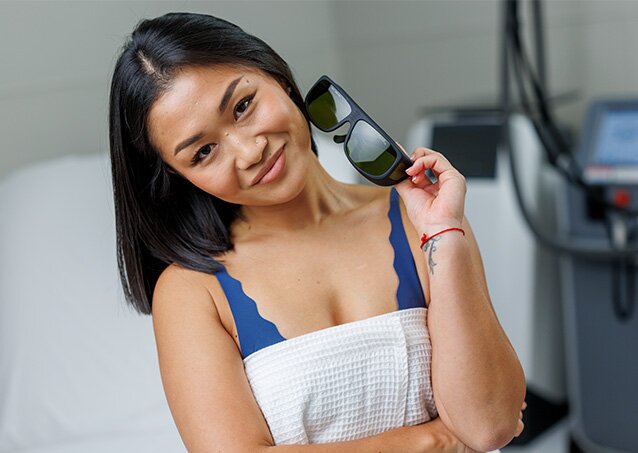

A woman wearing a blue top and wrapped in a towel holds a pair of protective eyewear before getting laser hair removal treatment for a blog titled Laser Hair Removal and Hormonal Changes.

Start Your Journey Today

Discover the game-changing benefits of laser hair removal for yourself with a free consultation. This conversation is an opportunity to discuss goals, concerns, and expectations to determine a personalized treatment plan. Visit MilanLaser.com or any of our clinics across the country and join the hair-free movement today!

Milan Laser consultation session

Frequently Asked Questions

Yes, hormonal changes during pregnancy can stimulate new hair growth, including in areas that were previously treated. Laser hair removal is not recommended during pregnancy, so treatment is typically paused until after delivery.

Hormonal shifts during menopause can stimulate new hair growth in some areas, particularly on the face and chin. For people who completed a laser treatment series before menopause, occasional maintenance treatments may be needed to address any new growth that develops as hormone levels change.

Laser hair removal can be an effective option for managing PCOS-related hair growth, but results may require more ongoing maintenance than typical cases. Elevated androgen levels associated with PCOS can continue to stimulate new follicles over time, making a consistent treatment plan and occasional touch-ups an important part of managing long-term results.

Hormonal birth control can influence hair growth patterns, which may affect how your body responds to laser hair removal over time. Changes in birth control, starting, stopping, or switching, can shift those patterns further. Keeping your provider informed of any changes helps ensure your treatment plan stays on track.

The chin is one of the most hormonally influenced areas of the body, making it more prone to regrowth over time. Hormonal shifts from aging, menopause, or conditions like PCOS can activate dormant follicles even after a successful series. Occasional maintenance treatments are common for this area and can help keep regrowth in check.

Yes, hormonal areas like the face, chin, and bikini line often require more sessions than other treatment areas due to the unpredictable nature of hormone-driven hair growth. Even after completing a full series, occasional maintenance may be needed as hormonal changes continue to influence follicle activity over time.

Book Your Free Consult

Select a location from the list

Find Milan Near You?
OR