<link rel="stylesheet" href="https://cdn.jsdelivr.net/npm/instantsearch.css@8.0.0/themes/satellite-min.css"/>

The best laser hair removal experiences don't happen by accident. They're built on preparation. During most treatments, a small but meaningful step called a test spot helps ensure your skin can tolerate an increase in power before it’s applied to the full area, keeping every session as safe and effective as possible.

What Is A Test Patch?

A test spot, Milan Laser's term for what the industry commonly calls patch testing, is a few shots of the laser at the next highest power level, placed near or within the treatment area. It's not the full treatment. It's the step that confirms your skin can handle an increase in intensity before that power is applied across the board.

This determines how your skin tolerates the higher setting before moving forward with the full area. Performed during most treatments, it gives your provider a real-world read on your skin's response and the confidence to proceed knowing the settings are right for you.

Why Test Patches Matter Before Laser Hair Removal

Skin responds differently to laser energy, and a test spot is how that response gets measured before it matters most. By observing how a small area reacts to a higher power setting, providers can confirm the right intensity before applying it across the full treatment area. It's the difference between guessing and knowing, and in a cosmetic treatment built around precision, that distinction has real consequences for safety.

The practical benefits are meaningful. Burns, irritation, and pigmentation changes are among the risks that proper settings help minimize, and the test spot is where that determination gets made. For the client, there's another benefit that's easy to overlook: confidence. Knowing your skin has been evaluated at the next power level before it's applied to the full area changes the experience entirely.

Who Benefits Most From A Test Patch?

The honest answer is that most people receiving laser hair removal benefit from a test spot. For clients who believe they may be at their baseline skin tone but aren’t entirely certain, a test spot is particularly useful. If the skin tolerates the higher setting, full treatment can move forward, typically three days later or at their following treatment.

For anyone with concerns about side effects or or specific treatment goals, it’s the most tangible reassurance a provider can offer. It doesn’t eliminate every variable but addresses the most important ones before they become a problem.

What Providers Learn From A Test Patch

The test spot isn't just a formality; it's a data point. By placing a few shots at the next highest power level near or within the treatment area, providers get a direct read on how the skin responds to increased intensity. That information shapes the decision to move forward with the full area at that setting or make adjustments before doing so.

How the hair follicles respond is equally telling. The reaction in that small test area gives providers insight into how the full treatment area is likely to perform at the higher power level. That read on both skin and hair together is what allows settings to be confirmed with confidence, turning a small but deliberate step into one of the most useful tools in keeping every session safe and effective.

What To Expect After A Test Patch

Mild redness or warmth in the tested area is a normal response and typically fades within a few hours. It's the skin reacting to a higher power setting, not a cause for concern, and not an indicator of how the full treatment will feel. Most people move through the post-test spot window without any notable issues.

If the skin tolerates the test spot well, full treatment can move forward by either continuing in the same session or returning three days later depending on the situation. If anything warrants an adjustment, that determination gets made before the higher setting is applied to the full area. That's precisely the point. Small, deliberate steps that keep every decision grounded in how your skin is actually responding.

What Happens Without A Test Patch

Skipping the test spot means skipping the only opportunity to confirm how skin responds to a higher power level before it's applied across the full treatment area. Without that read, the risk of incorrect settings goes up. And incorrect settings are one of the most direct paths to adverse effects like irritation, burns, or pigmentation changes that could have been avoided.

Test Patches vs. Full Treatment Timelines

In most cases, a test spot doesn't add significant time to a session; it's a few targeted shots that happen as part of the treatment itself. When a follow-up is needed after a test spot, the brief window before the next full session is a worthwhile trade. Confirming that a higher power level is right for your skin before applying it at scale is an investment that pays off in every session that follows.

The downstream benefits are what make the timeline worthwhile. Confirmed settings from the start means more consistent results over time and fewer course corrections along the way. Safety and effectiveness aren't separate goals in laser hair removal; they're connected throughout the treatment process, and the test spot is one of the clearest examples of what it looks like when a provider treats them that way.

Quote mark

A test spot, Milan Laser's term for what the industry commonly calls patch testing, is a few shots of the laser at the next highest power level, placed near or within the treatment area.”

Why Milan Laser Is The Best Option

Milan Laser Hair Removal uses a safety-first, medically guided approach where test spots play an important role in creating a customized treatment plan. With trained providers and modern laser technology, Milan can carefully assess how your skin reacts and adjust settings to reduce irritation, avoid uneven results, and support effective hair reduction.

With more than 400 clinics in 38 states, Milan Laser is the country’s largest provider of laser hair removal. We also offer something nobody else in the industry does: our exclusive Unlimited Package™. You pay one price for a body area, and you’re covered for life. No hidden costs or touch-up fees. Choosing Milan for your hair-free needs will help you say goodbye to unwanted hair for good.
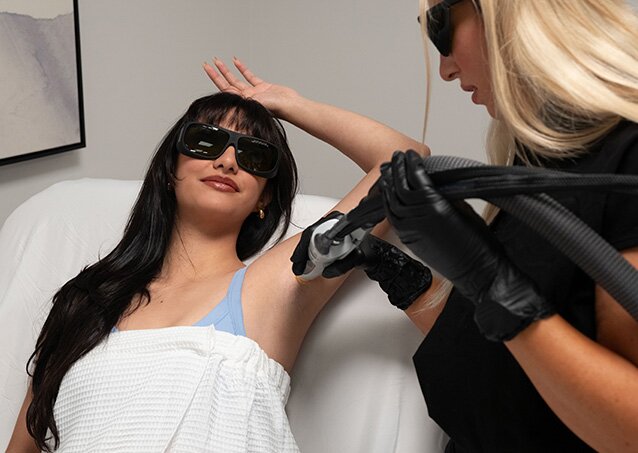

A woman wearing a blue top, white towel, and protective eyewear gets laser hair removal on her underarms from a Milan Laser Provider in an image for a blog titled Importance of Test Patches For Laser Hair Removal.

Start Your Journey Today

Discover the game-changing benefits of laser hair removal for yourself with a free consultation. This conversation is an opportunity to discuss goals, concerns, and expectations to determine a personalized treatment plan. Visit MilanLaser.com or any of our clinics across the country and join the hair-free movement today!

Milan Laser consultation session

Frequently Asked Questions

A test spot is performed during most laser hair removal treatments, not as a required preliminary step, but as an ongoing part of the process. It gives your provider a real-world read on how your skin responds to a higher power level before it's applied to the full area, keeping every session as safe and effective as possible.

Most reactions from a test spot are observable within a few hours, though providers may monitor for delayed responses as well. Mild redness or warmth immediately after is normal and typically fades quickly. Any response that warrants an adjustment will be addressed before the higher setting is applied to the full treatment area.

A test spot significantly reduces the risk of burns and irritation by confirming how skin responds to a higher power level before it's applied across the full treatment area. It doesn't eliminate every variable, but addressing the most consequential ones before moving forward is exactly what it's designed to do.

A test spot is performed during most treatments regardless of skin type, but it carries particular importance for those with sensitive skin or deeper skin tones where setting precision matters most. Regardless of skin type, it's a step that keeps every session grounded in how your skin is actually responding to increased power levels.

An adverse reaction to a test spot is exactly the kind of information a provider needs before applying a higher power level to the full treatment area. It's an opportunity to adjust settings or take a more conservative approach before moving forward. That's precisely why the test spot is part of the process.

In most cases, a test spot is performed as part of the treatment itself and doesn't add significant time to a session. When a follow-up is needed after a test spot, the brief window before the next full session is a small trade for the confidence that comes with knowing your skin is ready for a higher power level.

Book Your Free Consult

Select a location from the list

Find Milan Near You?
OR