<link rel="stylesheet" href="https://cdn.jsdelivr.net/npm/instantsearch.css@8.0.0/themes/satellite-min.css"/>

Did you know breast hair is totally normal, regardless of gender? But the reality is that most people, especially females, prefer a hairless look in the area. But what’s the most efficient and effective way to go hair-free on that part of the body? Let’s take a closer look so you can make the best decision for yourself.

Is Breast Hair Normal?

Yes. Hair on the female breast is completely normal and happens to people of all body types. It's not a sign of a health problem or anything unusual about your body.

The amount and appearance of breast hair vary from person to person. Some people have a few fine, light hairs. Others have darker or thicker hair on nipples or around the breast area. Both are normal.

Unless accompanied by other symptoms, breast hair on its own is not a medical concern. It's simply part of how your body grows hair, just like hair on your arms, legs, or anywhere else.

Why Breast Hair Grows

If thick or visible body hair runs in your family, you're more likely to have hair around your breasts too.

Androgens like testosterone, regulated by the pituitary gland, can increase hair growth in certain areas, including around the breasts and nipples. This is why breast hair may become more noticeable during puberty, pregnancy, or other times when hormone levels shift.

The skin around the breasts has hair follicles that can be more sensitive to these hormonal signals. That sensitivity is why hair grows there even when it might not appear as prominently in nearby areas.

When Breast Hair May Warrant Medical Discussion

If you notice a sudden or rapid increase in breast hair, especially if it appears quickly over a short period, it may be worth talking to a healthcare provider. Abrupt changes can sometimes indicate hormonal shifts that are worth checking out.

Accompanying symptoms can also be a signal. If new or increased breast hair comes along with irregular menstrual periods, unexplained weight changes, acne, or other shifts in your body, those patterns together may point to a hormonal imbalance that a doctor can help evaluate.

Breast hair on its own is not a concern. But if it's part of a broader change in your health or how your body is functioning, it's reasonable to bring it up during a medical appointment. In some cases, your doctor may recommend medical procedures like blood tests or hormone evaluations to better understand what's happening.

Common Ways To Remove Breast Hair

If you want to remove breast hair, there are several hair removal methods to choose from, each with different levels of effort, sensitivity, and duration.

Tweezing 

Plucking hairs with tweezers pulls individual hairs from the root, giving you precise control over which hairs you remove. However, it can be uncomfortable on sensitive breast skin, and hair grows back within a few weeks, requiring repeated sessions.

Trimming

Trimming shortens hair without removing it from the root, making it a quick and painless option. However, hair remains visible, so if you're looking for smooth skin, trimming won't fully remove the hair. It just makes it less noticeable.

Shaving 

Shaving removes hair at the surface, making it quick and accessible. However, the breast area can become irritated easily, and regrowth appears as stubble within a day or two.

Waxing or Sugaring

Waxing and sugaring pull hair from the root, so results last longer than shaving, usually a few weeks. However, the breast area is sensitive, which can make these methods painful and increase the risk of skin irritation.

Laser Hair Removal

Laser treatments target the hair follicles to reduce regrowth over time, offering a longer-term solution than other methods. After completing a schedule of treatments, you'll see significantly less hair and won't need to deal with constant tweezing, shaving, or waxing.

Limitations of Temporary Breast Hair Removal

Temporary hair removal methods like tweezing, shaving, and waxing all share the same drawback: hair keeps coming back. Depending on the method, you're dealing with regrowth every few days to a few weeks.

The breast area has sensitive skin, which makes irritation, redness, and ingrown hairs more likely with repeated removal. The more often you remove hair from this area, the higher the chance of discomfort or skin issues.

All of these methods require ongoing maintenance. If you want to stay hair-free, you're committing to a routine that never really ends.

Safety Considerations For the Breast Area

The skin around the breasts is thin and sensitive, especially near the nipples. That makes it more prone to irritation if hair removal isn't done carefully.

Gentle methods matter. Harsh techniques like aggressive waxing, depilatory creams or hair removal creams not designed for sensitive areas, or at-home lasers without proper guidance can cause lasting harm. The breast area requires more caution than other parts of the body.

Avoid unsafe shortcuts. If a method seems too aggressive or causes immediate discomfort, it's not worth the risk. When in doubt, choose professional treatment over DIY approaches that could damage delicate tissue.

Quote mark

Unless accompanied by other symptoms, breast hair on its own is not a medical concern.”

Why Milan Laser Is The Best Option

Milan Laser is the trusted choice for safely addressing unwanted body hair. Our trained Providers work under medical oversight and use customized laser settings tailored to your individual skin tone, ensuring effective treatment without irritation.

With more than 400 clinics in 38 states, Milan Laser is the country’s largest provider of laser hair removal. We also offer something nobody else in the industry does: our exclusive Unlimited Package™. You pay one price for a body area, and you’re covered for life. No hidden costs or touch-up fees. Choosing Milan for your hair-free needs will help you say goodbye to unwanted hair for good.
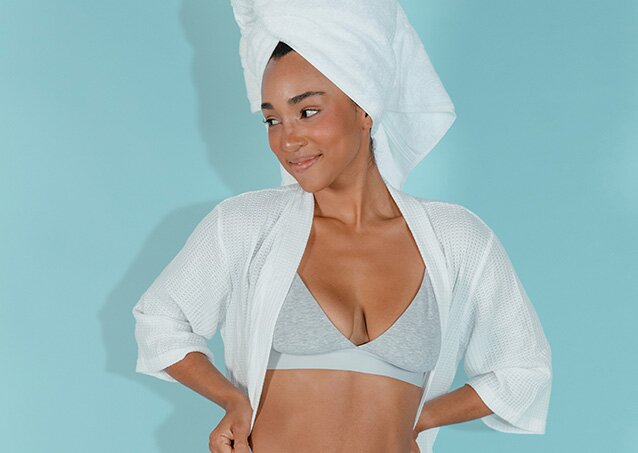

A woman wearing a gray sports bra gets ready for the day and dries her hair while smiling in an image for a blog titled How To Remove Breast Hair For Females.

Start Your Journey Today

Discover the game-changing benefits of laser hair removal for yourself with a free consultation. This conversation is an opportunity to discuss goals, concerns, and expectations to determine a personalized treatment plan. Visit MilanLaser.com or any of our clinics across the country and join the hair-free movement today!

Milan Laser consultation session

Frequently Asked Questions

Yes, breast hair is completely normal for females. The amount and thickness vary from person to person due to genetics and hormones, but having hair around the breasts or nipples is not unusual or a sign of a health problem.

Breast hair is primarily caused by genetics and hormones. Androgens like testosterone influence hair growth in the area, which is why it may become more noticeable during puberty, pregnancy, or other hormonal changes. Hair follicles around the breasts are also more sensitive to these hormonal signals.

Yes, but the breast area is sensitive, so gentle methods and proper technique are important. Tweezing, trimming, and laser hair removal are generally safe when done carefully. Avoid harsh methods like depilatory creams not designed for sensitive skin or aggressive at-home treatments that could cause irritation or burns.

Yes. Laser hair removal can safely and effectively reduce breast hair when performed by trained providers. The treatment targets hair follicles in the area without damaging the sensitive skin, and over time, you'll see significantly less regrowth compared to temporary methods like tweezing or shaving.

Not usually. Breast hair on its own is normal and not a medical concern. However, if you notice a sudden increase in growth or if it's accompanied by other symptoms like irregular periods, weight changes, or acne, it may be worth discussing with a healthcare provider to check for hormonal changes.


Book Your Free Consult

Select a location from the list

Find Milan Near You?
OR