<link rel="stylesheet" href="https://cdn.jsdelivr.net/npm/instantsearch.css@8.0.0/themes/satellite-min.css"/>

Ingrown pubic hairs are one of those frustrating side effects nobody warns you about until you're dealing with painful bumps after your hair removal routine. The good news: you're not stuck with them forever, and there are various ways you can address those pesky bumps.

What Ingrown Pubic Hairs Are

Ingrown pubic hairs happen when hair grows back into the skin instead of up through the skin surface. The trapped hair creates small bumps, sometimes called razor bumps, that can look red or irritated.

These bumps most often appear along the bikini line, on the mons pubis, or anywhere you regularly shave or wax. They're your body's reaction to hair that's growing in the wrong direction.

Why Ingrown Pubic Hair Happens

Several factors make ingrown pubic hairs more likely:

  • Shaving creates blunt hair tips that can pierce back into the skin as they grow. Your hair removal method matters. When you shave, you cut the hair at a sharp angle, giving it an edge that can easily curl back and re-enter the skin.
  • Waxing and sugaring can cause hair to grow back thinner or at odd angles, increasing the chance it curls under the skin. Repeated removal weakens the hair follicle, which changes how new hair emerges.
  • Curly or coarse hair types naturally curve as they grow, making them more prone to growing sideways into skin instead of straight up through the follicle opening.
  • Tight clothing creates friction that pushes hair back down into follicles. Pressure from underwear or workout gear can redirect hair as it tries to break through the skin's surface.

Common Ways People Try To Get Rid of Ingrown Pubic Hair

Most people turn to at-home methods when dealing with ingrown pubic hairs:

  • Exfoliation methods like gentle scrubs or chemical exfoliants help remove dead skin cells that trap hair beneath the surface. This can allow the hair to break through on its own.
  • Warm compresses soften the skin and may help bring the ingrown hair closer to the surface. Apply a clean, warm cloth for several minutes at a time.
  • Tweezing or manual removal might seem like a quick fix, but it carries risks. Picking at or popping ingrown hairs can lead to infection, skin irritation, scarring, or making the problem worse.
  • Over-the-counter products with salicylic acid or glycolic acid can reduce inflammation and help free trapped hairs, though over-the-counter steroid creams can be used when indicated. Look for products designed for sensitive skin.


Mistakes That Can Make Ingrown Hairs Worse

Picking or squeezing bumps introduces bacteria and increases your risk of infection. It can also cause scarring or hyperpigmentation that lasts long after the ingrown hair is gone.

Shaving over irritated skin removes the protective barrier your skin needs to heal and can lead to razor burn. You're also more likely to cut yourself or create new ingrown hairs when the area is already inflamed.

Using harsh or scented products can irritate sensitive pubic skin and slow down healing. Stick to fragrance-free, gentle cleansers when you're dealing with ingrown hairs.

How To Prevent Ingrown Pubic Hairs

Adjusting your hair removal habits can make a difference. Your shaving technique matters. Avoid a dull razor by using a sharp razor with shaving cream or shaving gel and shave in the direction of hair growth. If you wax, make sure you're going to an experienced professional who knows how to remove hair cleanly at the root.

Proper skin care routines keep your follicles clear. Exfoliate gently a few times a week to prevent dead skin from trapping new hair growth. Moisturize daily with a lightweight, fragrance-free lotion to keep skin soft and flexible.

Reducing friction during regrowth gives hair a better chance to emerge properly. Wear breathable, loose-fitting underwear, especially in the days after hair removal. Skip tight workout clothes until the area has fully recovered.

Shaving And Waxing vs. Laser Hair Removal

Shaving and waxing create repeated regrowth cycles that increase your risk of ingrown hairs. Every time you remove hair, it grows back with the same potential to curl under the skin. The more you shave or wax, the more chances you have for irritation.

Laser treatment takes a different approach. Instead of removing hair at the surface or root, it targets the follicle to reduce regrowth over time. Fewer hairs growing back means fewer opportunities for ingrown hairs to form. Just remember that shaving is required before laser hair removal treatments for safe and effective results.

Skin comfort improves as treatments progress. Most clients notice less irritation, smoother skin, and a significant reduction in ingrown hairs after completing their treatment plan. The pubic area stays calmer without the constant cycle of removal and regrowth.

When Ingrown Hairs May Need Professional Care

Persistent or painful bumps that don't improve with at-home care may need medical attention. If an ingrown hair has been there for more than a week or is getting worse, you may wish to see a healthcare provider.

Signs of bacterial infections or inflammation include increasing redness, warmth, swelling, or pus. These symptoms mean bacteria has gotten into the hair follicles, and you may need antibiotic ointments to clear it up.

Scarring or dark marks from repeated ingrown hairs can last several months to years without proper care. You may consider seeing a dermatologist that will recommend treatments to fade hyperpigmentation and prevent future scarring.

Quote mark

Exfoliate gently a few times a week to prevent dead skin from trapping new hair growth.”

Why Milan Laser Is The Best Option

Milan Laser offers a long-term solution for people tired of dealing with recurring ingrown pubic hairs. Our trained Providers assess your hair type, skin tone, and regrowth patterns to customize laser settings that reduce ingrown risk while treating sensitive areas safely. With medical oversight at every step, we help minimize bumps, irritation, and long-term skin damage so you can feel more comfortable in your skin.

With more than 400 clinics in 38 states, Milan Laser is the country's largest provider of laser hair removal. We also offer something nobody else in the industry does: our exclusive Unlimited Package™. You pay one price for a body area and you're covered for life. No hidden costs or touch-up fees. Choosing Milan for your hair-free needs will help you say goodbye to unwanted hair for good.
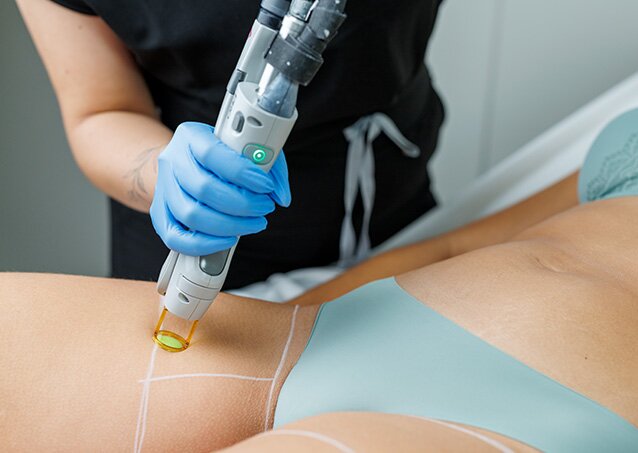
image of a laser treating a leg with a grid on it, woman in black scrubs with blue gloves, and a white room for a piece on how to get rid of ingrown pubic hair

Start Your Journey Today

Discover the game-changing benefits of laser hair removal for yourself with a free consultation. This conversation is an opportunity to discuss goals, concerns, and expectations to determine a personalized treatment plan. Visit MilanLaser.com or any of our clinics across the country and join the hair-free movement today!

Milan Laser consultation session

Frequently Asked Questions

Gently exfoliate the area to remove dead skin cells and apply a warm compress to help the hair surface naturally. Avoid picking or squeezing the bump. Over-the-counter products with salicylic acid can also help reduce inflammation and free trapped hairs.

You shouldn't pop an ingrown hair. Squeezing or picking at the bump can introduce bacteria, lead to infection, and cause scarring or dark marks that last long after the ingrown hair is gone.

Ingrown hairs keep coming back because shaving and waxing create repeated regrowth cycles where hair can curl back into the skin. Your hair type, removal method, and skin care routine all play a role in whether ingrown hairs become a recurring problem.

Yes, shaving creates blunt hair tips that can easily pierce back into the skin as they grow. The sharp angle left by a razor gives hair an edge that's more likely to curl under the surface instead of growing straight up through the follicle.


Laser hair removal reduces hair regrowth over time, which means fewer hairs that can become ingrown. As you complete your treatment plan, most clients see a significant decrease in ingrown hairs along with smoother, less irritated skin.

Book Your Free Consult

Select a location from the list

Find Milan Near You?
OR