You can do everything right and follow instructions to a T, yet sometimes, the results you expected simply aren’t there! Sometimes, clients can do everything properly and follow a treatment plan from laser hair removal professionals, but the results don’t happen. Read on to learn about the rare instances when laser hair removal doesn’t work.

Understanding Why Laser Hair Removal Might Not Work

It’s frustrating for the client and technician when laser hair removal work fails. But if you’re at a clinic like Milan, those professionals will do their due diligence to identify the issue.

One of these reasons may be why:

  • Hair Color: The laser targets the melanin in hair follicles for successful treatment. Clients with dark hair against a fair skin tone are ideal candidates; however, some gray, white, and blonde hairs don't contain enough melanin for the laser to distinguish between skin and follicle, leading to ineffective results.
  • Hair Type: Those with thinner, finer hair might not see results as quickly as a client with thicker, coarser, dark hair with light skin. 
  • Hormonal Conditions: A client with elevated androgen levels often leads to faster hair regrowth between laser sessions. Excessive hair growth — especially on the face, chest, and back — leads to frequent appointments for those dealing with hormonal fluctuations.
  • Improper Technique or Settings: If your laser technology is outdated, it may not work on every skin type. If that’s not the issue, many times the laser isn’t targeting the follicle adequately, leading to adverse effects. This can be because of user error or improper laser settings.
  • Incomplete Treatment Regimen: Clients are treated every five weeks so the follicle can go through its different growth cycles. Treating too soon or waiting significantly longer than five weeks can impact any long-lasting results if the follicle is in the wrong growth phase.
Quote mark

Ineffective laser hair removal is often a sign of outdated technology, incorrect settings, or treating hair in the wrong growth phase.”

Exploring Alternative Hair Removal Options

While it should be reiterated that the permanent results of effective laser hair removal are usually reliable, there are alternative hair removal methods available. These treatment options should not be used while getting laser hair removal treatments, as a follicle must be intact for the laser to target.

They address excess hair growth include: 

  • Electrolysis: A probe is inserted into the follicle and uses an electric current to destroy it. While effective for addressing unwanted hair growth, the method is tedious, time-consuming, and often painful.
  • Waxing: Hot wax is applied to the body hair and ripped from the skin. Results last 3 to 6 weeks before the process is repeated. It’s a popular method, and, for some, an effective option but it's uncomfortable and can sometimes cause skin irritation and ingrown hairs. Plus, it doesn't lead to long-term hair reduction.
  • Sugaring: Lemon juice, water, and sugar form a paste applied to unwanted body hair. Results are inconsistent and temporary, and you will always need to address future hair growth. Plus, irritation and ingrown hairs are common side effects.
  • Depilatory creams: Also known as hair removal cream, the cream is applied to the skin, allowing chemicals to break down the structure of the unwanted hair. Ineffective results are possible. If left too long on the skin, adverse reactions like burning and skin irritation can occur. 
  • Tweezing: With this hair removal method, an individual hair or multiple hairs are pinched and pulled from the skin. It’s temporary, time-consuming, painful, and can lead to ingrown hairs and scarring.

Finding the Right Option for You

The frustration is real when you want smooth skin but get subpar results following a series of treatments. The effects of laser hair removal works for most because a concentrated beam of laser energy targets and destroys the hair follicle, preventing future hair growth in the area with minimal side effects.

If your laser hair removal results are initially ineffective, speak with your technician. Is the technology up to date? Are the laser settings accurate? Is there something you should be doing before or after treatments that you haven’t done to this point? Those questions should be readily answered to get to the root of the issue.

And if you don’t already have a skincare routine, that could help enhance your results. Regular exfoliation will rid the skin of dead cells, which can decrease clogged pores, potential ingrown hairs, and skin irritation. It’s best to wait a few days following treatment to gently exfoliate. For best results, this should be done once or twice a week.

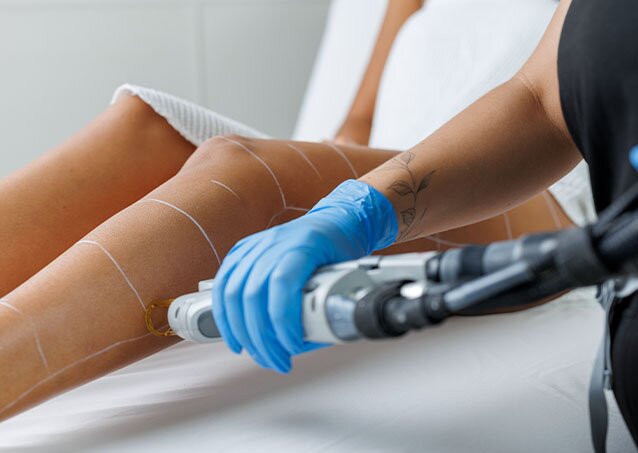
Photo for a post titled what if laser hair removal doesn't work showing a close-up of a woman getting lasered with a grid drawn on her legs

Ready To Book Your Free Consultation?

Choosing the wrong laser hair removal clinic or technology can be a headache, especially if you invest your hard-earned money and don’t get hair-free results. However, choosing Milan Laser for your hair removal needs puts you in the best hands. Start your hair-free journey today!

Milan Laser consultation session

Frequently Asked Questions

If laser hair removal treatments don’t work, it’s likely because the laser is ineffectively targeting the pigment in hair follicles. But other factors could impact results, including hair thickness, hair growth cycles, hormone imbalances, or improper laser settings.

Various factors can impact why you aren’t seeing results from your laser hair removal sessions. Choosing the right laser technology is critical in making sure it will work on any skin type and every hair color except gray hair, white hair, and peach fuzz, also known as vellus hair. Also, treatment during the wrong phase of a hair’s growth cycle can lead to ineffective results without a reduction in hair growth.

For some, in the days following a laser treatment, there can be a rough, stubbly texture to the touch even after a shave. This is because body areas like the face, neck, and legs have hairs that can be thicker, which can lead to brief irritation for a short time. The issue typically resolves on its own within 24 to 48 hours.

Book Your Free Consult

Select a location from the list

Find Milan Near You?
OR