<link rel="stylesheet" href="https://cdn.jsdelivr.net/npm/instantsearch.css@8.0.0/themes/satellite-min.css"/>

If unwanted hair on your upper lip is making you feel insecure, it seems tempting to wax. Upper lip waxing promises smooth skin immediately, but it often leads to redness, bumps, and recurring discomfort. Why does this small area cause so many problems? And what makes it different from waxing other parts of the body?

Why the Upper Lip is a Sensitive Area

The upper lip has thin skin with many nerve endings, making it one of the most sensitive areas of facial waxing. This sensitivity means waxing can feel more uncomfortable here than on other parts of the body.

High visibility makes any irritation more noticeable. Redness, bumps, or swelling are difficult to conceal, which can affect confidence and daily routines until the skin heals.

Frequent movement and friction slow healing in this area. Talking, eating, smiling, and facial expressions constantly engage the upper lip, preventing irritated skin from resting and recovering as quickly as it would elsewhere.

Common Drawbacks of Upper Lip Waxing

Redness and inflammation after treatment are typical responses when hair is removed from the delicate upper lip area. These reactions can last several hours or even days, making the area look and feel irritated.

Small bumps, breakouts, ingrown hairs, or follicle irritation often develop as the skin reacts to the trauma of hair removal. The upper lip's sensitivity increases the likelihood of these issues compared to other body areas.

Pain during waxing is unavoidable since the process involves pulling hair from the root in one of the most nerve-dense areas of the face. Many people find this discomfort difficult to tolerate with facial waxing services, especially with repeated treatments.

Risk of skin lifting or irritation increases when strong waxes are used, improper application technique is employed, or when waxing occurs over compromised skin, though even gentler hard wax can cause problems as well. The thin, delicate nature of upper lip skin makes it particularly vulnerable to this type of damage.

Skin Reactions That May Occur

Temporary swelling or tenderness is common after upper lip waxing. The skin may feel puffy or sore to the touch, making activities like eating or applying makeup uncomfortable until the area calms down.

Post-wax sensitivity to heat, UV rays, or skincare products can make the area reactive for days after treatment. Even gentle products like aloe vera, which normally cause no issues, may suddenly sting or irritate freshly waxed skin.

Dark marks or discoloration can develop in some people, particularly those with deeper skin tones. This hyperpigmentation may fade over time, but it can be frustrating and difficult to conceal while it persists.

Allergic reactions to wax ingredients or additives can also occur, causing additional redness, itching, or rash beyond typical post-wax irritation. These reactions may require discontinuing waxing altogether.

Following post-care tips like avoiding the heat, sun, and harsh products can reduce some reactions, but they don’t eliminate the underlying trauma that waxing causes to delicate skin.

In rare cases, skin infections can develop when bacteria enter the broken or irritated skin after waxing, particularly if proper hygiene isn't maintained during or after treatment.

Who Is More Likely to Experience Problems?

People with sensitive or acne-prone skin face a higher risk of side effects, such as irritation, breakouts, and prolonged redness after upper lip waxing. The trauma of hair removal can trigger reactions that healthy, resilient skin might tolerate better.

Those using retinoids, exfoliants, or acne treatments have compromised skin barriers that make waxing riskier. These products thin the skin and increase sensitivity, which can lead to skin lifting, burns, or severe irritation when waxing occurs.

Frequent waxing without enough recovery time or proper post-wax care prevents the skin from fully healing between waxing sessions. Repeatedly traumatizing the same delicate area before it has stabilized increases the likelihood of chronic irritation and worsening reactions over time.

A patch test before waxing can help identify potential allergic reactions to wax ingredients, though it doesn’t predict how your skin will respond to repeated trauma over time.

Why Waxing Becomes a Cycle

Fast regrowth in facial areas means facial hair on the upper lip returns quickly, often within two to four weeks, and hormonal changes can accelerate this timeline further. This short timeframe keeps you locked into a constant schedule of appointments and repeated discomfort.

Repeated trauma to the same skin prevents full recovery between waxing sessions. Each waxing appointment tears hair from sensitive follicles that haven't had adequate time to heal, compounding irritation over time.

Ongoing skin irritation with each hair removal appointment becomes the norm rather than the exception. Instead of improving with repeated sessions, many people find their skin becomes increasingly reactive and sensitive to the waxing process.

Quote mark

Pain during waxing is unavoidable since the process involves pulling hair from the root in one of the most nerve-dense areas of the face.”

Why Milan Laser Is the Best Option

Milan Laser offers a long-term alternative to upper lip waxing. Treatments are performed by a qualified laser technician with professional experience and medical oversight, using modern laser technology and customized settings designed for delicate facial skin. Instead of repeatedly removing hair from the root, laser hair removal works to reduce hair growth over time, which can help minimize ongoing irritation.

With more than 400 clinics in 38 states, Milan Laser is the country’s largest provider of laser hair removal. We also offer something nobody else in the industry does: our exclusive Unlimited Package™. You pay one price for a body area, and you’re covered for life. No hidden costs or touch-up fees. Choosing Milan for your hair-free needs will help you say goodbye to unwanted hair for good.
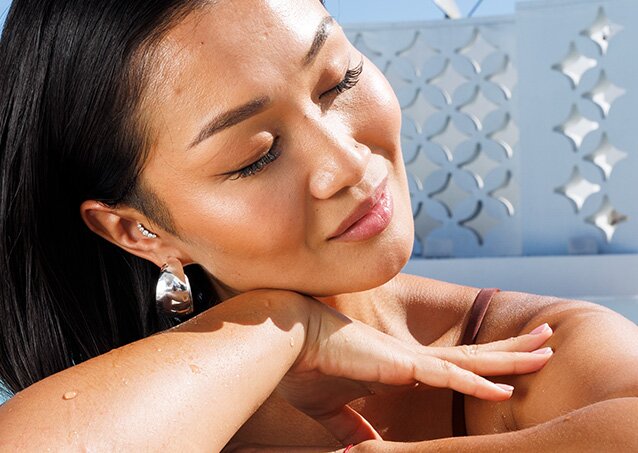

Woman resting her chin on her right hand while wearing earrings and closing her eyes, brimming with confidence after learn about the disadvantages of waxing upper lip

Start Your Journey Today

Discover the game-changing benefits of laser hair removal for yourself with a free consultation. This conversation is an opportunity to discuss goals, concerns, and expectations to determine a personalized treatment plan. Visit MilanLaser.com or any of our clinics across the country and join the hair-free movement today!

Milan Laser consultation session

Frequently Asked Questions

Waxing the upper lip isn't inherently bad for your skin, but it can cause irritation, redness, and breakouts due to the area's sensitivity and thin skin. Repeated waxing without adequate recovery time increases the risk of chronic irritation and skin damage. People with sensitive skin or those using certain skincare products face a higher risk of adverse reactions.

Irritation after waxing the upper lip typically lasts a few hours to a few days, depending on your skin's sensitivity and how it reacts to the treatment. Redness and tenderness usually subside within 24-48 hours, though bumps or breakouts may persist longer. Factors like skincare products, sun exposure, or frequent waxing can extend healing time.

Yes, waxing can cause discoloration on the upper lip, particularly in people with darker skin tones or those prone to post-inflammatory hyperpigmentation. This darkening occurs when trauma from waxing triggers excess melanin production in the affected area. While the discoloration often fades over time, it can be frustrating to manage and may persist for weeks or months.

Yes, laser hair removal is safe for the upper lip when performed by skin care experts or trained providers using appropriate settings for your skin type. The treatment targets hair follicles without the repeated trauma of waxing, reducing irritation and the risk of skin damage. Laser offers a longer-term solution for upper lip hair, though multiple sessions are needed for optimal results.

Book Your Free Consult

Select a location from the list

Find Milan Near You?
OR